
Whoa! I remember the first time I held one of those crypto cards—cold, thin, and oddly reassuring. It felt like a credit card from the future, but quieter; somethin’ about the weight of it made me pause. My instinct said this would simplify things, though I wasn’t ready to swear by it yet. Initially I thought hardware meant bulky boxes, but then I realized cards change the mental model entirely, and that changes how people secure assets.
Here’s the thing. People worry a lot about keys, backups, and seed phrases, and most of that anxiety comes from complexity. Seriously? Yep. The average user doesn’t want a tiny stick of metal and a manual full of jargon. They want something that sits in a wallet, fits in a pocket, and doesn’t demand a tech degree. On one hand, custodial apps make life easy. On the other, they hand over control. Though actually, card wallets offer a middle path that deserves attention.
I was skeptical at first. Hmm… store a private key on a card? Sounds fragile. My first few tests were informal—car rides, coffee shops, late-night tinkering—real-world stuff that exposes weak points. And real-world matters. You need to think about magnetic stripes, NFC read range, water, and whether your leather wallet compresses the card in weird ways. This part bugs me about some early designs: they’re not robust enough for everyday life.
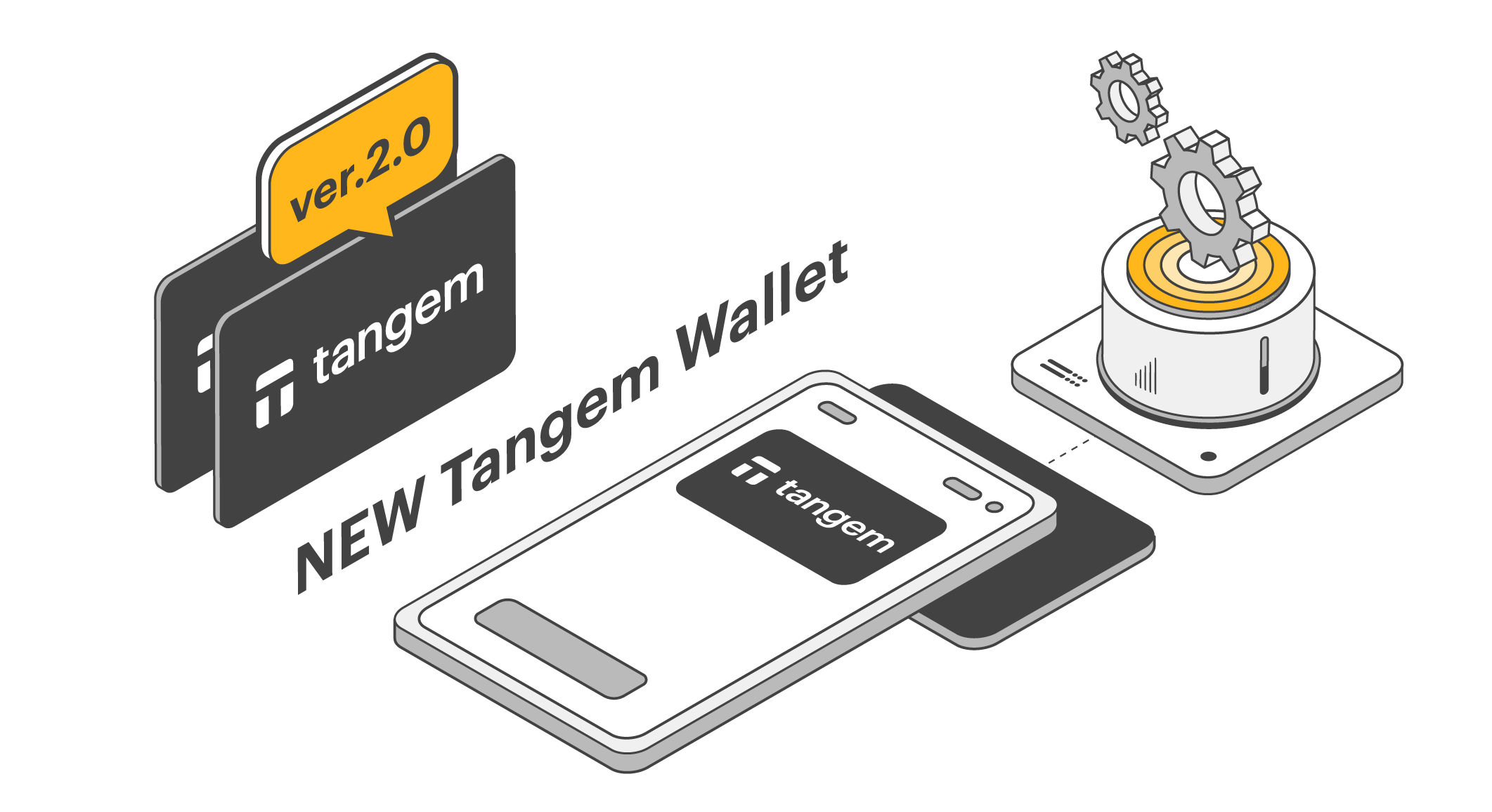
How card wallets work — in plain terms
Wow! At core it’s simple: a secure element on a card holds the private key and does cryptographic operations without ever exposing the key. Two taps, a phone, a signature—done. But there’s nuance. The secure element has to resist side-channel attacks, physical extraction, and cloning attempts, and different manufacturers take different approaches. I’m biased, but I’ve found that designs emphasizing a true secure element and minimal attack surfaces are better than those that lean heavily on software.
At the practical level you use your phone or reader to ask the card to sign a transaction, and the card says yes or no based on a user-confirmation mechanism, like a touch sensor or a PIN. Initially I thought that every card needed a visible button, but subtle NFC taps and capacitive touch can work too, as long as they’re clear to the user. Actually, wait—let me rephrase that: user signals must be unambiguous because ambiguity kills trust.
On a technical note, some cards are purely NFC, others support Bluetooth, and a few even offer contact interfaces for terminals. The NFC-only cards have the advantage of near-zero battery needs; they’re passive and last decades if built right. However, they demand careful compatibility testing across phones, since NFC stacks on Android and iOS behave differently. (Oh, and by the way… if your phone is ancient, expect friction.)
One card brand that often comes up in conversations is tangem. I’ve used it in test suites and casual user trials. People like the physical card form factor; it feels familiar, and the onboarding is friction-light when done properly. But the card itself is only part of a healthy cold storage approach—processes matter too.
Okay, so what makes a good cold storage routine with a card? Two things: redundancy and human-friendly recovery. Redundancy means multiple cards stored separately, or a mix of a card plus another air-gapped signer. Human-friendly recovery means your spouse or executor can access funds without being handed a cryptic hex string. That’s very very important, and too many hobbyists skip it.
My instinct said that people would mishandle backups, and tests confirmed it. People either tattoo the seed phrase (nope) or scribble it on a Post-it that ends up in the junk drawer. On one test, a user stored a backup in a safe deposit box and forgot which bank it was. True story. So design your plan around likely human behavior. Make it obvious, but not accessible to strangers.
Threats and trade-offs (be realistic)
Short answer: cards reduce some risks and increase others. Really. They remove online-exposure risks but introduce physical-loss risks. If someone snatches your wallet, they might have the card, and if your PIN is weak, you’re toast. So protect the physical layer as much as you protect your phone.
There are a few attack classes to watch: supply-chain tampering, NFC relay attacks, malware on the phone doing social engineering, and card cloning attempts. Each of these has mitigations: buy from reputable vendors, verify card authenticity at setup, prefer cards with built-in attestation, and separate signing devices from transaction construction when possible. Initially I thought attestation was overkill for casual users, but honestly—it’s a small hassle that pays off later.
On the other hand, watch out for features that sound neat but expand attack surface. Bluetooth kickers, cloud backups, and recovery services are tempting, but they trade a bit of coldness for convenience. On one hand convenience gets more people into crypto, though actually it bogs down security assumptions. My working rule: prefer simple, verified operations over shiny extras.
(A small tangent: I once tried a clever prototype that used a card and a paper backup—seemed elegant, but the paper faded after a summer in a humid basement. Lesson learned.)
Practical tips if you buy one
Here’s a checklist from my years of testing and day-to-day fiddling. Short items first. Write down recovery steps. Test a restore with low-value funds. Use multiple cards for redundancy. Store them separately. Use a strong PIN. Don’t photograph your card or seed. Keep firmware updated if the vendor provides signed updates.
When you first set up a card, validate its attestation code with the vendor app and record that validation. Initially I thought people wouldn’t do this, but a quick verification step really helps detect tampered devices. Also, treat the card as you would a passport—secure it, and have a plan if it’s lost. Seriously, planning matters more than you think.
For long-term storage, consider geographic diversification: one card in a safe in your house, another in a trusted friend’s safe deposit box. That sounds extreme, but it’s exactly the sort of redundancy that makes estate planning coherent. My wife rolls her eyes, but when I explain failure modes she gets it. I’m not 100% sure about any single method, but mixed methods tend to be robust.
FAQ
Is a card wallet truly “cold”?
Short answer: yes, if you use it without connecting the key to the internet. The private key never leaves the secure element, so it’s cold in the same sense as air-gapped devices. The bigger risk is user behavior, not the card itself.
What if the card gets damaged?
Have a recovery plan. Multiple cards or an offline backup of the recovery data stored securely will cover physical damage. Also, some vendors provide restoration flows; test them with small transfers first.
Are NFC cards compatible with all phones?
Mostly yes for modern phones, but quirks exist—especially on older iPhones and some Android models. Test compatibility before trusting big amounts. If your setup involves specific apps, make sure they work together ahead of time.
So what’s my takeaway now that I’ve spent years with these cards? They’re an elegant compromise: familiar form factor, strong security when implemented properly, and much better usability for non-technical people than cold-phones or tiny hardware sticks. They are not a silver bullet. They demand thoughtfulness: backups, attestation, and physical security. If you’re willing to design for real human behavior instead of idealized users, a card-based cold wallet could be the most practical path to real custody.
One last small note—try not to geek out so hard that your plan becomes unusable by your loved ones. That part bugs me: we design systems for ourselves and forget the people who actually need to access funds later. Make it simple. Make it understandable. And keep one card for everyday peace of mind, and the rest where they belong: safe, separated, and documented… sort of like a will, but for digital money.



Laisser un commentaire